Table Of Content
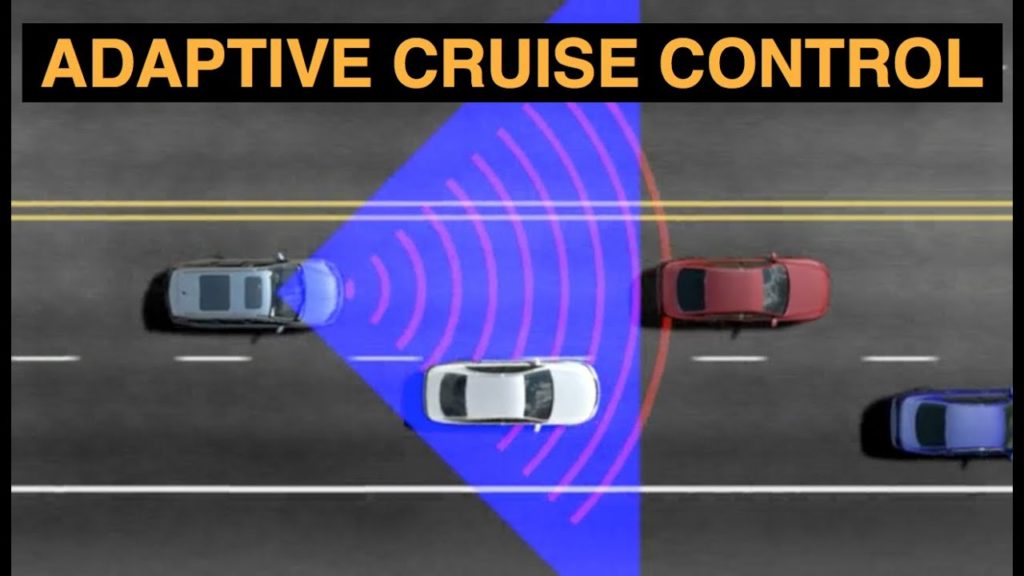
This modern feature uses sensors and radar to maintain a safe distance from the vehicle ahead, adjusting speed automatically. As you can see, cruise control is a great way to relieve much of the stress that comes with everyday driving. The constant rate of speed can also drastically improve fuel efficiency for longer drivers. Cruise control has had a positive impact on the driving industry for 70 years and shows no signs of disappearing anytime soon. Accelerate to your desired speed as you prepare to activate cruise control.
Active And Passive Safety Features In Cars: What Are The Things That Make A Car Safe?
Once you set a distance, the ACC adjusts your speed to ensure you stay at that distance — usually a car length or two. Cruise control is a valuable feature in many modern vehicles, enhancing convenience and efficiency, especially during long drives. This guide delves into the intricacies of using cruise control, offering expert insights, technical details, safety tips, and more. You just set the speed you want, and it'll keep your car cruising along at that speed, no problem.
– Build speed
If that car slows down, ACC slows your car down to keep a safe distance. The basic concept of cruise control, of course, is centered more around what the specific vehicle is doing, rather than what's on the road around it. Adaptive cruise control like the kind found in some Acura vehicles, however, is a little more sophisticated. Cruise control is less flexible on vehicles with a manual transmission because depressing the clutch pedal and shifting gears usually disengages the cruise control.
How To Set Cruise Control
This system is excellent for everyday driving, offering features like speed sign recognition and evasive steering assist. Tesla’s FSD Beta represents a leap forward in autonomous driving technology. It’s not just a cruise control system but an advanced driver-assistance system capable of navigating complex driving scenarios. Key features include automatic lane changes, stop sign and traffic light recognition, and the ability to navigate city streets. While it offers substantial automation, it still requires driver supervision and isn’t fully autonomous. Luxury automakers such as Tesla and Audi are implementing the newest rendition of cruise control on their latest vehicle models – Semi-autonomous Cruise Control.
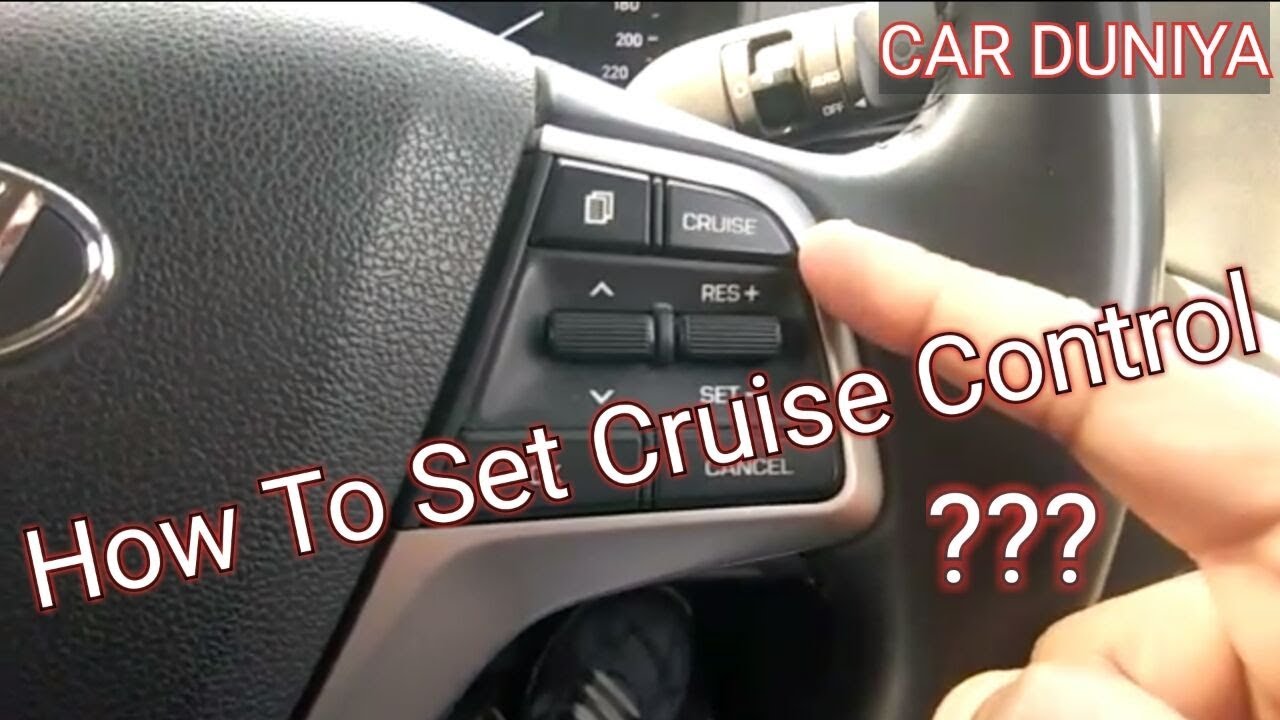
Cruise control is a feature on some vehicles that allows the driver to take their foot off the accelerator while the onboard computer maintains the vehicle’s speed. Within cruise control, you can typically also adjust your speed up and down using buttons. Cruise control is an electronic device within your vehicle that controls the speed of your vehicle. It allows the driver to maintain a constant speed of 25 mph without holding their foot on the accelerator. At its core, cruise control involves a series of sensors that monitor the vehicle's speed and a control unit that regulates the throttle. When the driver sets the cruise control to a specific speed, the system adjusts the throttle to maintain that speed.
Cruise Control Settings
Many cars use actuators powered by engine vacuum to open and close the throttle. These systems use a small, electronically-controlled valve to regulate the vacuum in a diaphragm. This works in a similar way to the brake booster, which provides power to your brake system. Typically, the cruise control button is located on the steering wheel for easy access.
Comparative Analysis of Modern Cruise Control Systems
Winter Driving Tips: The Hidden Danger Of Using Cruise Control On Slippery Surfaces - News Radio 1310 KLIX
Winter Driving Tips: The Hidden Danger Of Using Cruise Control On Slippery Surfaces.
Posted: Thu, 04 Jan 2024 08:00:00 GMT [source]
Using cruise control while commuting through a highway in clear weather is advisable. If you wish to use cruise control within city limits, adaptive cruise control will be a better choice. You must note that you do not use the cruise control system in adverse weather conditions like heavy rains, thunderstorms, and snow. During these conditions, the visibility on the road is very low, making it unsafe for the car to cruise at high speed.
Life has many roads. Your weekly Navigator is just a click away.

For example, some autonomous vehicles are equipped with advanced cruise control systems that can navigate complex traffic scenarios, merge onto highways, and even change lanes autonomously. By maintaining a steady speed, it reduces the likelihood of erratic driving behavior and potential accidents. However, it is important to note that cruise control shouldn't be used in certain conditions, such as heavy traffic or slippery roads. It allows cars to talk to each other, coordinating their speeds to maintain a safe distance. It's like having a well-coordinated team of cars all working together to make the traffic flow smoother and reduce congestion.
Future Applications Of Adaptive Cruise Control
It connects to the throttle control seen in the previous section, as well as several sensors. The diagram below shows the inputs and outputs of a typical cruise control system. Newly launched cars are equipped with cruise control except for a few entry-level models.
Many systems set the cruise control at the current speed, while others require you to manually set one. You can increase and decrease this speed as needed without interrupting the mechanism. Remember, these systems are here to make your drive smoother and safer, but they're not a replacement for your attention.
The 77-GHz Autocruise radar system made by TRW has a forward-looking range of up to 492 feet (150 meters), and operates at vehicle speeds ranging from 18.6 miles per hour (30 kph) to 111 mph (180 kph). Delphi's 76-GHz system can also detect objects as far away as 492 feet, and operates at speeds as low as 20 mph (32 kph). The most important input is the speed signal; the cruise control system does a lot with this signal. First, let's start with one of the most basic control systems you could have -- a proportional control. The brain of a cruise control system is a small computer that is normally found under the hood or behind the dashboard.
It ensures that the car maintains a safe distance from the vehicle ahead despite the constant change in speed of the vehicle moving ahead. It is instrumental in highways or during rush hour traffic and reduces driver fatigue. Cruise control, also known as speed control, is an electronic system that allows you to maintain a specific speed without manually controlling the accelerator pedal. The system uses sensors and electronic components to control the throttle and keep your car moving at a desired speed. First introduced in the late 1950s, cruise control has since become a standard feature in most modern vehicles you see on the road today. Some systems also feature forward collision warning systems, which warn the driver if a vehicle in front—given the speed of both vehicles—gets too close within the preset headway or braking distance.
As you’re learning how to operate a vehicle, understanding cruise control will help increase your comfort behind the wheel and knowledge of driving. One minute you’re driving your car and everything seems fine, and the next moment you hear a strange noise coming from your car as you accelerate. It is not advisable to install an aftermarket cruise control kit in your car as new vehicles have complex electronics. Moreover, installing such a kit involves a complicated process, and it may also void the warranty provided by the car manufacturer. Here are some of the most commonly asked questions related to cruise control in cars. Another inventor named Harold Exline, working independently of Riley, also invented a type of cruise control that he first installed on his car and friends' cars.
Adaptive cruise control is an improved version of cruise control that automatically slows down and speeds up the car in order to keep pace with the car in front of it. You'll find your Cruise Control settings in or around your steering wheel. Some vehicles may include a separate shaft on your car along with the windshield wiper and indicator. Other cars may have cruise control buttons on your steering wheel or on the dashboard - check your vehicle or manual for more details. Modern cruise control is electronic and uses a computer to control your car’s speed.



No comments:
Post a Comment